
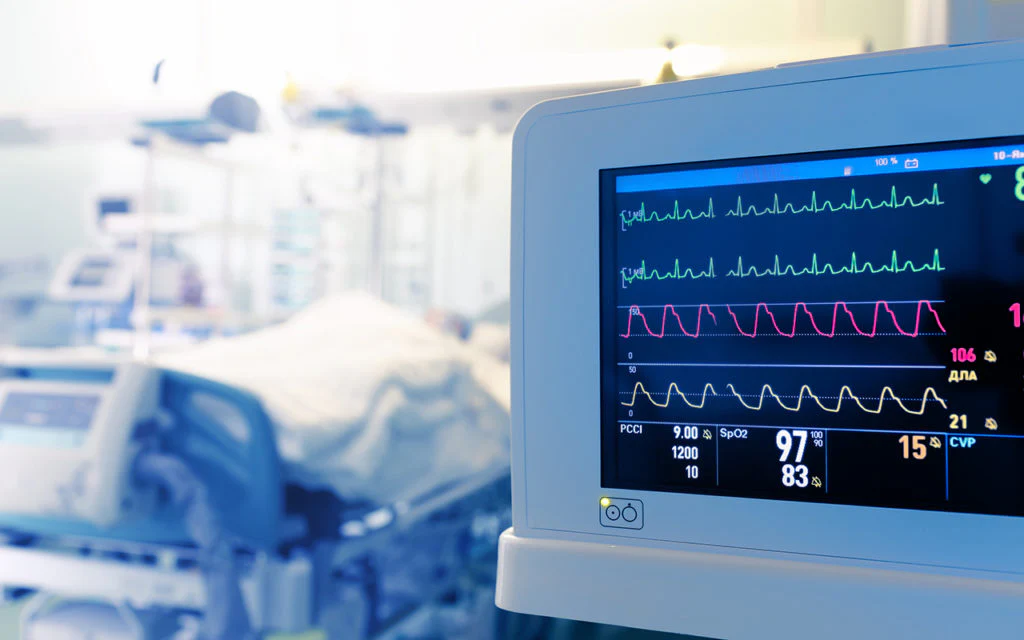
When a family in Nashik hears that their relative has multi-organ failure and needs a ventilator and dialysis, the ICU suddenly feels full of machines and numbers. The machines do not treat the illness itself. They take over the work of the failing organs for a while, so the body has time to respond to treatment of the cause, such as an infection. This guide explains what each kind of support does, what decides the outlook, and what to ask at the daily update.
The short answer
Multi-organ failure means two or more organ systems, such as the lungs, kidneys, circulation, liver or brain, are not working well enough on their own. Severe infection (sepsis) is the most common cause.
A ventilator breathes for the lungs when they cannot deliver enough oxygen or remove enough carbon dioxide.
Dialysis does the kidneys' work of clearing waste, extra fluid, potassium and acid while the kidneys are injured.
Both are usually meant to be temporary. They buy time while the team treats the cause. They are not, by themselves, a sign that recovery is impossible.
What each kind of organ support does
Ventilator (mechanical ventilation). What it does: moves air and oxygen in and out of the lungs. What the family may see: a breathing tube through the mouth, sedation, alarms and a screen with numbers. Usually temporary: yes. Support is reduced step by step as the lungs recover.
Dialysis (renal replacement therapy). What it does: removes waste, extra fluid, potassium and acid from the blood. What the family may see: a large line in a vein in the neck or groin, a machine beside the bed, sometimes running all day. Usually temporary: most often short term in sudden kidney injury.
Blood pressure medicines (vasopressors). What it does: tighten blood vessels so blood reaches the organs. What the family may see: drips on pumps, frequent blood pressure readings. Usually temporary: yes. They are tapered as circulation improves.
Feeding tube. What it does: gives nutrition when the person cannot eat. What the family may see: a thin tube through the nose into the stomach. Usually temporary: yes, until safe swallowing returns.

Why the ventilator is needed
A ventilator is used when the lungs cannot keep enough oxygen in the blood, or when the person is too tired, too drowsy or too unstable to breathe safely. This is called respiratory failure. In multi-organ failure it often comes from pneumonia, from fluid in the lungs during sepsis, or from the whole body being in shock.
Most ICU patients on a ventilator have a breathing tube placed through the mouth into the windpipe. They are usually given sedation and pain relief so the tube is tolerated. Because the tube passes the vocal cords, the person cannot speak while it is in place, even when awake.
As the lungs improve, the team lowers the support step by step. This is called weaning. The team may do a breathing trial, where the machine gives only light help, to check whether the person can breathe on their own before the tube is removed. If breathing support is needed for a long time, a tracheostomy may be discussed. This is a small opening in the front of the neck that is more comfortable than a mouth tube for long stays.
A ventilator has risks of its own, including pneumonia and pressure on the vocal cords. That is why the team tries to use the lowest support that is safe and to remove it as early as possible.
Why dialysis is needed
Kidneys often take a hit in multi-organ failure, because low blood pressure, infection and some medicines all reduce the blood and oxygen they receive. This is called acute kidney injury. Dialysis is started when the kidneys can no longer keep the blood safe. The usual reasons are:
Potassium rising to a dangerous level, which can affect the heart rhythm.
Too much fluid building up, especially in the lungs.
The blood becoming too acidic.
Waste products building up and causing confusion or other harm.
In the ICU, dialysis may run for a few hours a day, or slowly and continuously over the whole day for patients whose blood pressure is too low for the faster method. In sudden kidney injury, dialysis is most often short term. Many patients regain enough kidney function to stop it, although some recover only partly and a few need it long term. The team watches urine output and blood tests every day to see whether the kidneys are waking up.
Can someone survive multi-organ failure?
Yes, many people do, but nobody can honestly give one number for your relative on day one. The outlook depends mainly on:
The cause, and whether it can be treated. An infection that responds to antibiotics and source control has a better outlook than a cause that cannot be reversed.
How many organs are failing, and for how long. Doctors often track this with a score called SOFA. A score that falls over the first few days is a better sign than one that keeps rising.
The person's health before this illness, including age, heart, lung, kidney and liver disease, diabetes and cancer.
How quickly treatment started.
For context, an international medical reference estimates that about 25 to 30% of people with sepsis die, rising to roughly 40 to 60% in septic shock, with wide variation between patients. These figures describe large groups. They are not a prediction for one person, and the trend over the first 48 to 72 hours usually tells the team much more.
What recovery after the ICU looks like
Leaving the ICU is a milestone, not the finish line. Many survivors of a long ICU stay have muscle weakness, tiredness, poor sleep, low mood or problems with memory and concentration for weeks or months. Doctors call this post-intensive care syndrome. Family members can also have lasting stress, anxiety or low mood, sometimes called post-intensive care syndrome-family.
Physiotherapy, good nutrition, follow-up visits and rehabilitation help. It is worth asking before discharge who will check the kidneys, the lungs and the medicines afterwards.
Questions to ask at the daily update
What is the main cause, and is it responding to treatment?
Which organs are being supported today, and is each one better, the same or worse than yesterday?
What would tell you that weaning from the ventilator can start?
Are the kidneys producing urine? When will you check whether dialysis can be paused?
What is the plan for the next 24 hours, and what would change it?
What should we, as a family, be deciding or preparing for?
Who should we call if we have a question between updates?
It helps to choose one family member to receive the update and pass it on, and to write down the answers. If you are unsure about the plan, asking for a second opinion is a reasonable request in any ICU.
Questions families ask
Does a ventilator mean the person is dying? No. A ventilator supports breathing while the lungs or the body recover. Many patients come off it.
Will my relative need dialysis for life? Most often not. In sudden kidney injury, dialysis is usually short term. Some people are left with weaker kidneys, so kidney function should be checked after discharge.
Can they hear us while sedated? Some patients remember voices or touch, and others remember nothing. Speaking calmly and kindly at the bedside is safe and often comforting.
Why are the updates sometimes the same for days? Recovery from multi-organ failure is often slow, and a stable day can be a good day. Ask which numbers the team is watching.
Talk to the critical care team
Dr. Sumeet Mandale is Senior Consultant, Internal Medicine & Critical Care, at Medinova Super Speciality Hospital, Mumbai Naka, Nashik, and offers ICU second opinions for families. To speak with the team, call or WhatsApp +91 74476 86444. In an emergency, go straight to the nearest emergency department.
Read more: Multiple organ failure symptoms families notice, Multi-organ failure, Critical care and ICU management and Sepsis warning signs.
Disclaimer
This guide is general information for families of ICU patients. It is not medical advice for any one patient and cannot predict an individual outcome. Decisions about ventilation, dialysis and goals of care are made with the treating team, who can examine the patient.
References
Merck Manual Professional Version. Sepsis and septic shock.
National Heart, Lung, and Blood Institute (NIH). What is a ventilator?
MedlinePlus (US National Library of Medicine). Acute kidney failure.
Needham DM, et al. Improving long-term outcomes after discharge from intensive care unit: report from a stakeholders' conference. Critical Care Medicine, 2012.
Related doctor
Doctor mentioned in this article — open a profile to learn more or book a visit.
- DR
Dr. Sumeet Mandale
Senior Consultant – Internal Medicine & Critical Care
Related treatments
Clinical programmes and treatments connected to this topic.
Critical Care (ICU) Management
Senior consultant-led intensive care for critically ill patients — including ventilator support, haemodynamic monitoring, sepsis protocols, and multi-organ failure management at Medinova Super Speciality Hospital, Nashik.
Explore treatment →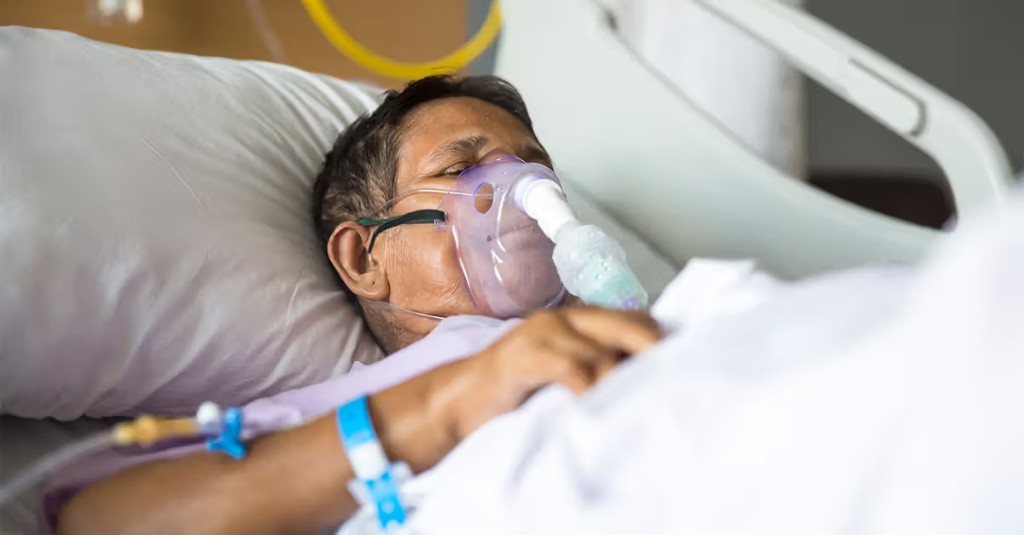
Sepsis Management
Emergency recognition and ICU-level treatment of sepsis and septic shock — including early antibiotics, fluid resuscitation, organ support, and source control protocols.
Explore treatment →

Dengue test in Nashik: which test to do, and on which day of fever
NS1, IgM, IgG or a blood count? Which dengue test is useful depends on the day of fever. Dr. Sumeet Mandale explains what each test looks for, why a negative NS1 does not rule out dengue, and which warning signs need hospital the same day.
Read more
Dengue fever platelet count: what families in Nashik should know
A dengue fever platelet count is one lab number, not a diagnosis. Dr. Sumeet Mandale in Nashik explains what families should watch and when to seek care.
Read more
Multiple organ failure symptoms families notice in Nashik
Multiple organ failure symptoms families notice first, common causes, and when to seek 24×7 critical care with Dr. Sumeet Mandale in Nashik.
Read more