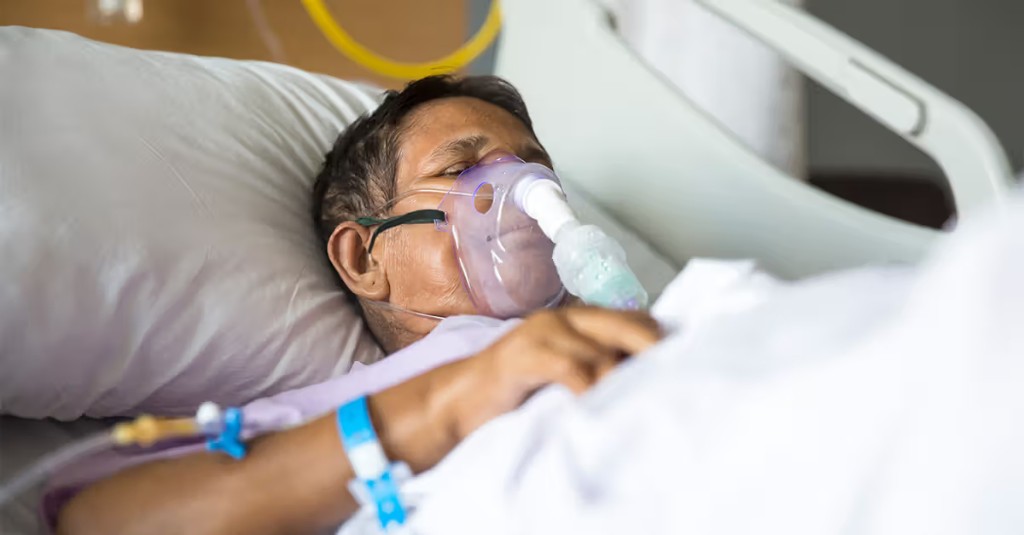
Respiratory disease is among the most common reasons adults in Nashik seek medical care — from chronic asthma and COPD to acute pneumonia, viral chest infections, and life-threatening respiratory failure. Breathlessness, persistent cough, wheeze, and chest tightness can significantly affect daily life, work, and sleep. In Maharashtra, air pollution, seasonal infections, smoking, biomass fuel exposure, and rising rates of diabetes and heart disease all contribute to lung-related illness.
Early diagnosis and structured treatment prevent hospital admissions, reduce antibiotic misuse, and protect long-term lung function. This guide explains common respiratory conditions, warning signs, diagnostic tests, treatment options, and when to seek emergency care — with practical guidance for patients and families in Nashik.
What Are Respiratory Diseases?
Respiratory diseases affect the airways and lungs, interfering with the body's ability to breathe and exchange oxygen. They may be acute (sudden, often infectious) or chronic (long-lasting, requiring ongoing management).
Asthma — reversible airway narrowing with wheeze and episodic breathlessness
COPD (chronic obstructive pulmonary disease) — progressive lung damage, usually linked to smoking
Pneumonia — lung infection causing fever, cough, and breathlessness
Bronchitis and viral upper respiratory infections
Pulmonary tuberculosis (TB) — requires specific long-term treatment
Respiratory failure — dangerously low oxygen or high carbon dioxide levels
Sleep-related breathing disorders including obstructive sleep apnoea
Common Symptoms of Respiratory Disease
Symptoms vary by condition, but adults in Nashik should seek medical evaluation when they experience:
Persistent cough lasting more than three weeks
Wheezing or whistling sound when breathing
Shortness of breath on exertion or at rest
Chest tightness or discomfort
Cough with blood-stained or coloured sputum
Fever with cough and body ache
Night-time cough or breathlessness disturbing sleep
Reduced exercise tolerance — unable to climb stairs as before
Blue lips or fingertips (cyanosis) — a medical emergency
Not all breathlessness is lung-related. Heart disease, anaemia, obesity, and anxiety can mimic respiratory symptoms — which is why accurate clinical assessment matters before starting treatment.
Asthma: Control and Prevention of Attacks
Asthma causes inflamed, sensitive airways that narrow in response to triggers — dust, pollen, cold air, infections, smoke, or exercise. With proper inhaler therapy, most people with asthma in Nashik can live active, normal lives.
Reliever inhalers (bronchodilators) for acute symptoms
Preventer inhalers (inhaled corticosteroids) for long-term control
Written asthma action plan for worsening symptoms
Trigger avoidance — smoke, strong perfumes, uncleaned AC filters
Annual flu vaccination when advised
Regular follow-up to adjust inhaler doses
Seek urgent care if asthma symptoms do not improve with reliever inhaler, if speaking in full sentences becomes difficult, or if lips turn blue.
COPD and Chronic Lung Disease in Nashik
COPD is common in adults with a history of smoking or long-term exposure to biomass smoke. It causes progressive breathlessness, chronic cough, and frequent chest infections. Early diagnosis with spirometry (lung function testing) helps distinguish COPD from asthma and guides correct inhaler selection.
Smoking cessation — the single most effective intervention
Long-acting bronchodilators and inhaled steroids when indicated
Pulmonary rehabilitation — exercise training and breathing techniques
Prompt treatment of exacerbations to prevent hospital admission
Oxygen therapy when blood oxygen remains low at rest
Vaccination against influenza and pneumococcal infection
Pneumonia and Chest Infections
Pneumonia is a serious lung infection that can develop after viral illness, bacterial spread, or aspiration. In Nashik, seasonal viral fevers, influenza, and bacterial super-infections contribute to pneumonia cases — especially in the elderly, diabetics, and those with chronic lung or heart disease.
Symptoms: high fever, productive cough, chest pain, breathlessness, fatigue
Diagnosis: clinical examination, chest X-ray, blood tests, oxygen saturation
Treatment: appropriate antibiotics for bacterial pneumonia; supportive care for viral cases
Hospital admission when oxygen is low, fluids cannot be taken, or confusion develops
ICU care for severe pneumonia with respiratory failure
Antibiotics should not be used for every cough and cold. Viral bronchitis usually resolves with rest, hydration, and symptom relief — unnecessary antibiotics contribute to resistance without benefit.
Pulmonary Infections and Seasonal Illness in Maharashtra
Maharashtra sees seasonal peaks of viral fever, influenza, and post-viral bacterial chest infections. Air quality in urban Nashik can worsen chronic lung conditions and trigger asthma exacerbations. Patients with diabetes, heart disease, or weakened immunity should seek earlier evaluation for respiratory symptoms during seasonal outbreaks.
Monitor oxygen saturation at home with a pulse oximeter when unwell
Stay hydrated and rest during viral illness
Return promptly if breathlessness worsens after initial improvement
Avoid self-medicating with strong cough suppressants without medical advice
Complete prescribed antibiotic courses when bacterial infection is confirmed
How Respiratory Disease Is Diagnosed
Accurate diagnosis prevents both missed serious illness and unnecessary medication. Evaluation by an internal medicine or respiratory specialist in Nashik may include:
Detailed history — smoking, occupational exposure, symptom pattern, triggers
Physical examination — chest auscultation, respiratory rate, oxygen saturation
Pulse oximetry — non-invasive oxygen level measurement
Chest X-ray or CT scan when pneumonia, TB, or other pathology is suspected
Spirometry (PFT) — essential for asthma and COPD diagnosis and monitoring
Blood tests — infection markers, kidney function when severe illness
Sputum tests when TB or resistant bacterial infection is considered
Oxygen Therapy and Respiratory Support
When the lungs cannot maintain safe oxygen levels, supplemental oxygen becomes life-saving. Home oxygen may be prescribed for selected chronic lung patients. In hospital, oxygen is delivered via nasal prongs or masks; severe cases require ICU-level non-invasive ventilation (BiPAP) or mechanical ventilation.
Dr. Sumeet Mandale manages respiratory emergencies and ventilator support at Medinova Super Speciality Hospital, Nashik — providing seamless escalation from outpatient respiratory care to ICU when breathing becomes critically compromised.
When to Seek Emergency Care in Nashik
Call emergency services or go to hospital immediately if you or a family member has:
Severe breathlessness at rest or inability to speak in full sentences
Oxygen saturation below 92% on pulse oximeter (if available)
Blue lips, face, or fingertips
Chest pain with breathlessness
Confusion or drowsiness with fever and cough
Coughing blood
Asthma not responding to repeated reliever inhaler doses
Preventing Respiratory Disease
Many respiratory problems can be prevented or minimised with practical daily habits:
Quit smoking and avoid second-hand smoke
Reduce exposure to dust, chemical fumes, and unclean biomass smoke
Wear masks in high pollution or during contagious illness outbreaks when advised
Keep asthma and COPD inhalers available and check expiry dates
Maintain vaccination status — influenza and pneumococcal vaccines for high-risk groups
Treat acid reflux if it triggers chronic cough
Seek early care for prolonged cough — do not wait until breathlessness is severe
Respiratory Disease Care in Nashik
Dr. Sumeet Mandale, Senior Consultant in Internal Medicine & Critical Care at Medinova Super Speciality Hospital, Nashik, provides comprehensive respiratory disease management — from chronic asthma and COPD optimisation to pneumonia treatment and ICU ventilator care.
Outpatient evaluation of chronic cough, wheeze, and breathlessness
Asthma and COPD inhaler optimisation with written action plans
Pneumonia severity assessment and hospital admission when needed
Oxygen therapy prescription and monitoring
Coordination with pulmonology and radiology for advanced testing
24×7 critical care and ventilator management for respiratory failure
Integration with diabetes, hypertension, and heart disease care when lungs and heart interact
Frequently Asked Questions
When should I worry about a cough in Nashik?
See a doctor if cough lasts more than three weeks, produces blood, occurs with weight loss or night sweats, or is accompanied by breathlessness or fever that does not settle. These features may indicate pneumonia, TB, or other serious conditions.
Do I need antibiotics for every chest infection?
No. Most acute coughs are viral. Antibiotics help bacterial pneumonia and some COPD exacerbations but are unnecessary and potentially harmful for simple viral bronchitis.
Can asthma develop in adulthood?
Yes. Adult-onset asthma is common, especially with occupational triggers, allergies, or after respiratory infections. Proper diagnosis distinguishes asthma from COPD and cardiac causes of breathlessness.
What oxygen level is normal?
Healthy adults typically maintain oxygen saturation of 95–100% on pulse oximetry at rest. Readings persistently below 92% require medical evaluation. Nail polish, cold fingers, and poor sensor placement can cause inaccurate readings.
Is respiratory disease linked to heart problems?
Yes. Heart failure, heart attack, and lung disease often cause similar breathlessness. Comprehensive assessment by an internal medicine specialist evaluates both systems — especially important for patients with diabetes, hypertension, or known heart disease in Nashik.
Conclusion
Respiratory disease in Nashik spans manageable chronic conditions and medical emergencies. Whether you live with asthma, COPD, recurrent chest infections, or sudden pneumonia, timely diagnosis and evidence-based treatment protect lung function and prevent ICU admission.
Do not ignore persistent cough or progressive breathlessness. Schedule a respiratory evaluation with Dr. Sumeet Mandale at Medinova Super Speciality Hospital, Nashik — for outpatient lung care, oxygen assessment, and critical care support when breathing becomes a emergency.
Related doctor
Doctor mentioned in this article — open a profile to learn more or book a visit.
- DR
Dr. Sumeet Mandale
Senior Consultant – Internal Medicine & Critical Care
Related treatments
Clinical programmes and treatments connected to this topic.
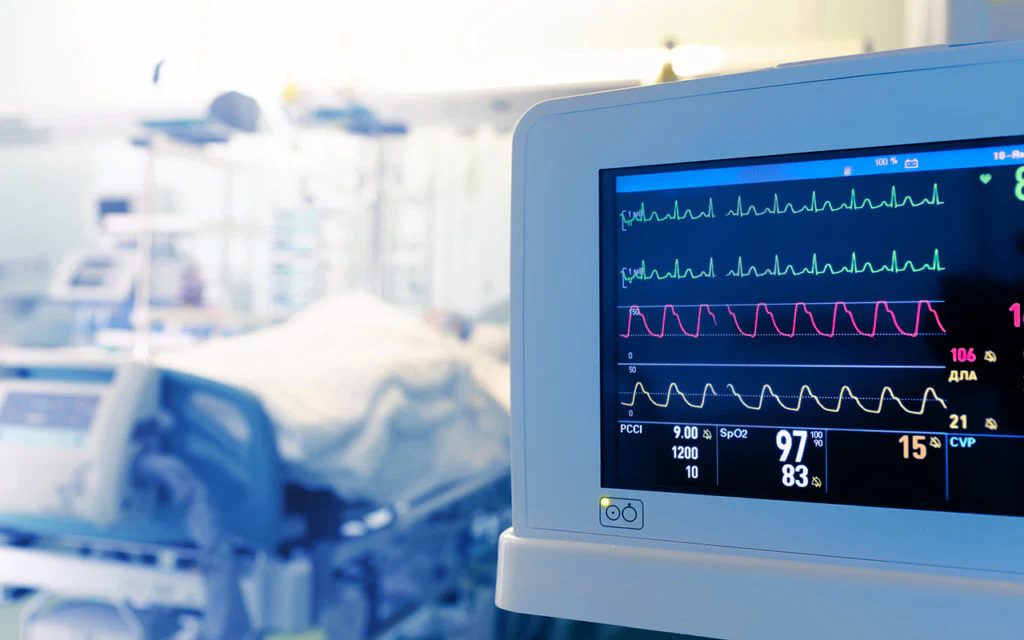
Critical Care (ICU) Management
Senior consultant-led intensive care for critically ill patients — including ventilator support, haemodynamic monitoring, sepsis protocols, and multi-organ failure management at Medinova Super Speciality Hospital, Nashik.
Explore treatment →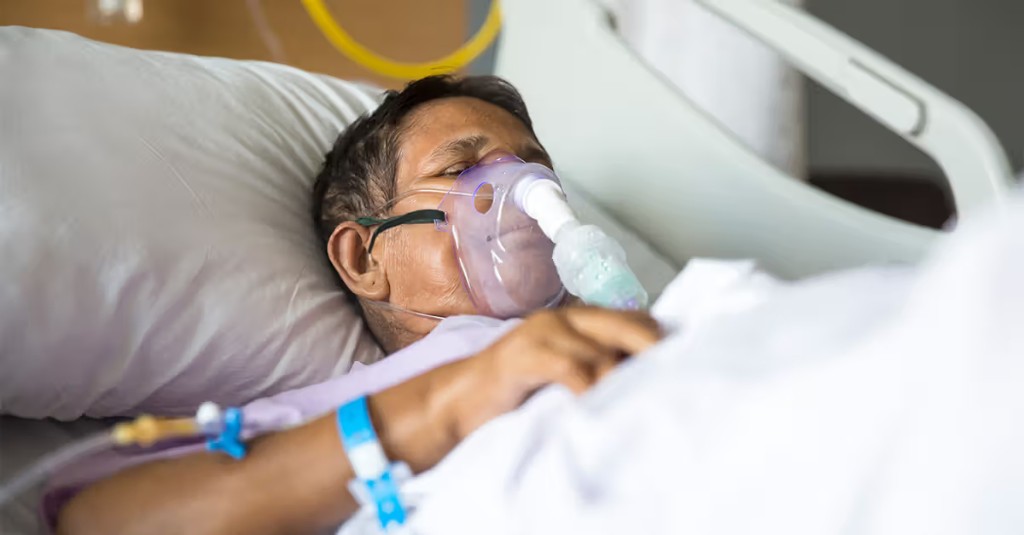
Sepsis Management
Emergency recognition and ICU-level treatment of sepsis and septic shock — including early antibiotics, fluid resuscitation, organ support, and source control protocols.
Explore treatment →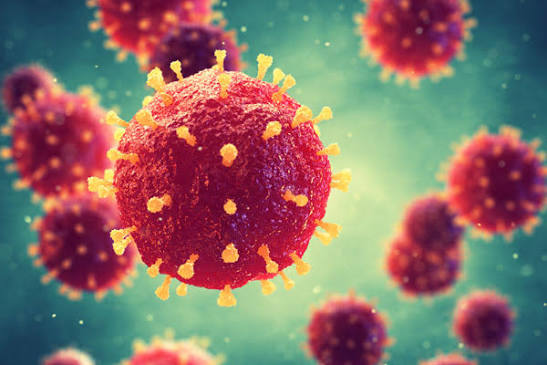
Infectious Disease Management
Evidence-based diagnosis and treatment of dengue, malaria, typhoid, viral fever, tuberculosis, and other infections — with appropriate antibiotic stewardship and complication monitoring.
Explore treatment →Respiratory Disease Management
Diagnosis and treatment of asthma, COPD, pneumonia, respiratory failure, and chronic lung disease — including oxygen therapy and ICU escalation when breathing is compromised.
Explore treatment →

Dengue fever platelet count: what families in Nashik should know
A dengue fever platelet count is one lab number, not a diagnosis. Dr. Sumeet Mandale in Nashik explains what families should watch and when to seek care.
Read more
Multiple organ failure symptoms families notice in Nashik
Multiple organ failure symptoms families notice first, common causes, and when to seek 24×7 critical care with Dr. Sumeet Mandale in Nashik.
Read more
ICU full form, and when a patient in Nashik needs intensive care
ICU full form is Intensive Care Unit. See when a patient in Nashik needs it, and how Dr. Sumeet Mandale’s 24×7 critical care at Medinova works.
Read more